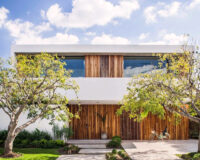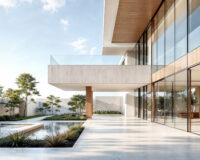
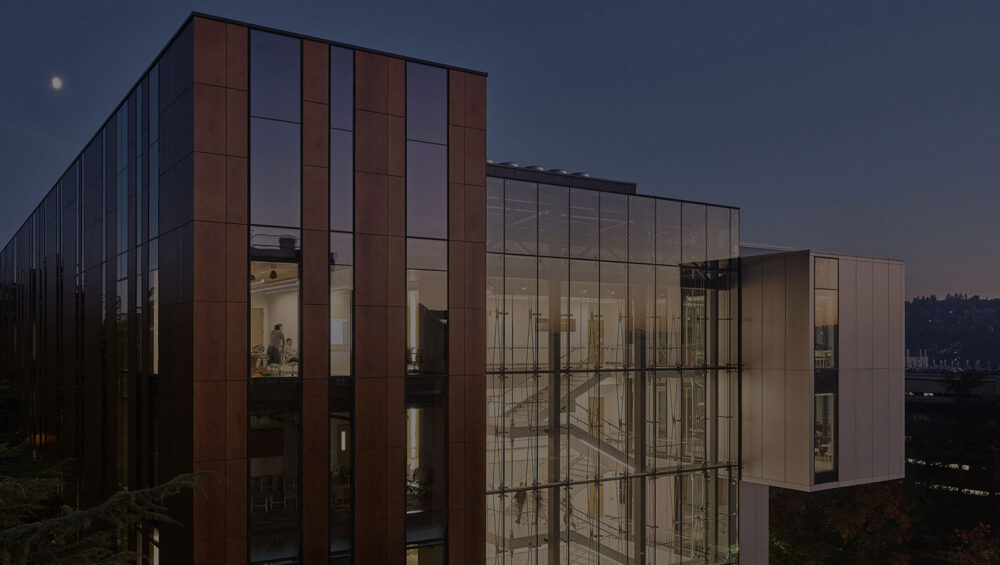
A comparative analysis of initial expenditure and long-term growth in a building’s capital value through the technological superiority of its façade.
In premium projects, details determine the final value. Window systems are among the few building elements perceived simultaneously as architectural design and technological equipment. The prudent investor should not ask, “How much do the windows cost today?” but rather, “How much value will a higher-class system actually generate when the property is sold in the future?” Statistics show that the technological quality of the façade is among the three most decisive factors when selecting business-class property.
“Price is what you pay today; value is what your building will generate in security and capital over the next thirty years.”
Investing in premium window systems directly influences the property’s liquidity premium. When a building holds an A+ energy rating and offers impeccable sound insulation, it is positioned in the upper market segment, where buyers are willing to pay more in return for guaranteed low operating costs. A building with a high-performance façade remains “morally new” for much longer, slowing the depreciation of both its image and its price.
In addition, durable profiles and hardware minimise maintenance OpEx (operating expenditure). Over the long term, the price difference between a standard and premium solution is recovered through heating and cooling savings within the first five to seven years. Beyond that point, high-quality windows begin generating a net benefit for the owner through lower energy consumption and preserved market value.
- Greater liquidity: Properties with high energy-efficiency and sound-insulation standards sell up to 25% faster than conventionally executed buildings.
- Reduced depreciation: Premium aluminium systems and durable powder coatings ensure that the façade will not require renovation or major maintenance for decades.
- Energy management as an asset: Achieving passive-building standards increases rental value and attracts corporate tenants with demanding sustainability and ESG policies.
- Preventive value: Certified hardware and insulated glass reduce insurance premiums and the risk of structural damage.
- Timeless aesthetics: Premium profile design remains visually relevant, protecting the building from aesthetic obsolescence and preserving its market prestige.