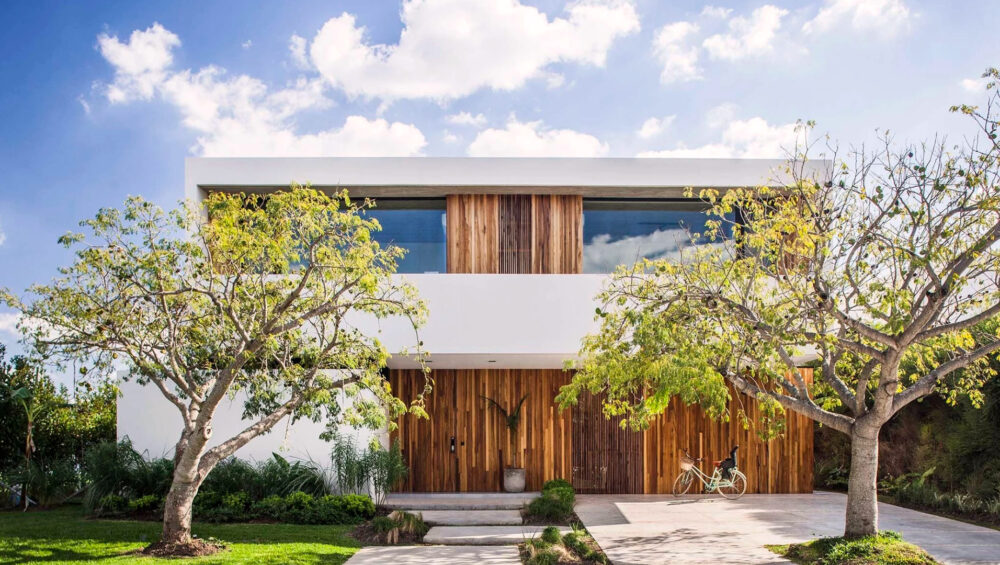
The contribution of high-performance glazing to LEED and BREEAM certification and the long-term conservation of resources.
In today’s global economy, sustainable development is no longer an abstract concept but a strictly regulated standard for modern premium business and residential projects. Buildings account for a significant share of urban carbon emissions, while window systems are the most critical element of the building envelope. Investors therefore face the challenge of balancing the desire for expansive transparent surfaces with demanding thermal-performance requirements, without compromising the project’s economic stability.
“Sustainability is not a compromise with luxury, but the highest form of engineering intelligence—one that serves future generations and increases a property’s capital value.”
Integrating façades that comply with international sustainability standards requires a holistic approach. Choosing aluminium as the primary material, for example, earns significant points in building assessments because it can be recycled indefinitely without losing its properties. Premium solutions use profiles with highly effective thermal breaks and multi-component insulators that minimise energy transfer.
Smart glass coatings are especially important. The latest generation of selective glazing allows natural light to enter while blocking solar heat. This reduces the need for artificial lighting and dramatically lowers cooling costs during the summer. When these systems form part of a LEED-certified building, they deliver not only a healthier environment but also greater asset liquidity.
- Circular economy: The use of low-carbon materials that can be fully recycled at the end of their service life.
- Smart solar protection: Insulated glass units with a low solar factor (g-value) that control overheating while preserving façade transparency.
- Certification value: How the right window system helps meet BREEAM and LEED criteria for energy efficiency and occupant quality.
- Durability and operation: Low-maintenance systems designed to retain their thermodynamic performance for more than 40 years.
- Daylighting strategy: Optimising natural light to improve comfort and reduce a building’s operating costs.